Who Does What Backstage? A Beginner's Map of Stage Management, Lighting, and Sound Roles
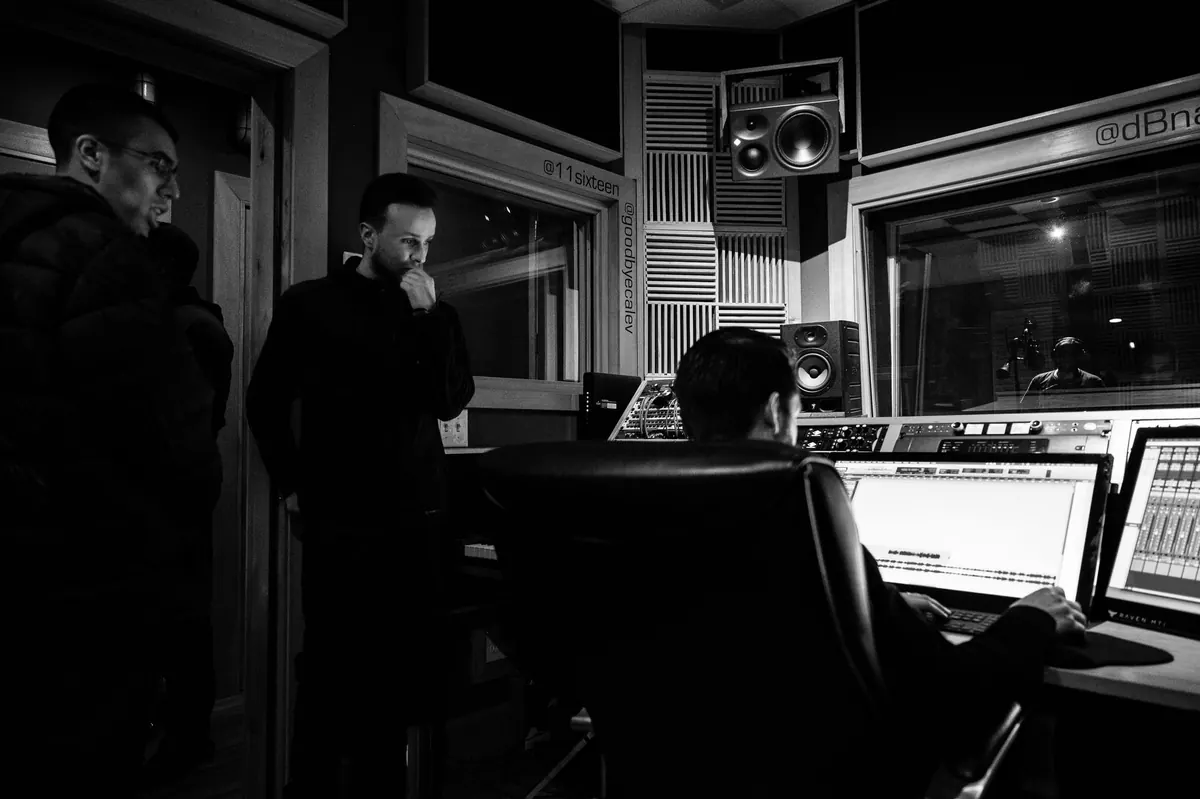
The house lights dim and the show seems to run itself. Meanwhile someone in the wings is murmuring numbers into a headset, someone at the back of the auditorium is staring at a screen full of sliders, and someone is swapping a microphone battery in near darkness. That quiet choreography is what "backstage" really means. Here is a map of who does what, and — more usefully — how those people work together when the clock is running.
The stage manager knows where everyone is meant to be, and what happens when they are not there. In rehearsal, the SM sits beside the director with the script, a pencil and a laptop, marking blocking, tracking props, and noting which scenes keep running long. Afterwards comes the rehearsal report: what changed, what is needed by tomorrow, which costume still has no shoes.
By opening night, that paperwork has become the prompt book — the single document the performance depends on. It usually contains:
In performance, the SM calls the show: the warning, the standby, the go. "Standby LX 14 and sound 22… LX 14, go." A good call is early enough for a technician to react and precise enough that the cue lands on the same syllable every night. Afterwards the SM writes the show report — audience numbers, latecomers, technical faults, anything the next day needs to know.
Large productions split the job: a production stage manager running the room, a deputy or assistant calling the book, assistants on the wings. Small ones hand the whole lot to one person with a clipboard and very good shoes.
Lighting quietly manages where the audience looks. If you cannot see an actor's face at the emotional peak of act two, that is a lighting decision rather than bad luck.
The designer reads the script, talks with the director and set designer about mood and sightlines, then draws a lighting plot: a plan of the rig showing where each lantern hangs, what it points at, and what colour it carries. From that come channel hookups, focus notes and a cue list. During the focus session the designer stands in the auditorium and asks the crew to tilt, pan and sharpen each light until the stage is carved into acting areas.
A master electrician or chief LX runs the department; technicians hang, cable and focus the rig, often from ladders. The programmer builds and records the cues, then executes them in performance. In a smaller venue that may be two people, one, or the stage manager with a spare hand.
Cues are numbered and stacked in a list: a slow fade to a warm pool for a monologue, a snap to black, a flicker for a storm. The designer watches the run and gives notes like "that fade needs two more seconds"; the operator adjusts the timing, saves it, and confirms the change with the SM so both books match.
Sound is the department the audience notices only when it goes wrong. It covers three broad jobs, and in small theatres they often collapse into one exhausted person.
Design means deciding what the show sounds like: the score, the effects, the balance between a live band and a singer, whether a door slam should be realistic or theatrical. The designer produces a sound plot and cue list, and agrees with the director on where music starts and stops.
System and stage is the physical work: rigging speakers, running cable, placing microphones, checking radio frequencies, and making sure batteries are fresh at the half. On a musical, an A2 or mic wrangler may do almost nothing but mics — taping them to faces, swapping packs at the interval, handing out spare batteries like a stern nurse.
Mixing is the performance job. The front-of-house engineer balances what the audience hears; a monitor engineer looks after what the performers hear, which is a different problem entirely. Both spend the tech period chasing feedback, finding headroom, and learning the moments where a scene change makes a cable thump.
Three things hold the team together: the cue sequence, the comms, and the notes.
Rehearsals build the show; the technical period bolts the departments onto it. A cue-to-cue skips through the script, stopping only where a technical cue lands, so the SM and the LX and sound operators can walk through each transition. A spacing or tech run adds scene changes and quick-changes. Then come dress rehearsals and previews — the closest thing to performance, and the most useful for finding what fails under pressure.
Communication happens on headsets and has a grammar. "Standby" means get ready: hand on the fader, finger on the button. "Go" means do it now. Nobody chats during a cue sequence, and nobody says "go" unless they are calling that cue. If a sound cue needs half a beat of delay, the operator asks the SM after the run and the change goes into the book, so it survives the next performance and the next operator.
Then there are notes. After each run the SM collects them and distributes them so everyone works from the same version of the show. A change that exists only in somebody's memory will be gone by Thursday.
In a ninety-seat fringe venue, the stage manager may also be the lighting operator, the sound engineer and the person who resets the chairs. That is normal, and not a sign of chaos — the roles are stacked rather than absent. What matters is that the same information gets written down. Even a one-person department should keep a cue list, a running order and a set of notes, because the night someone is ill is the night those documents earn their keep.
If you are new to a technical rehearsal, these habits will make you welcome:
A call sheet looks like an org chart, but backstage it behaves more like a band. The SM keeps time, lighting and sound play their parts, and the evening only seems effortless because everyone agreed in advance on exactly when to come in.
Photo: Brett Sayles / Pexels
Previous Post
How to Build a Balanced Review: A Checklist for Student Critics
Next Post
Venice Theatre in Winter: What to See When the Tourist Crowds Thin