Venice Theatre in Winter: What to See When the Tourist Crowds Thin
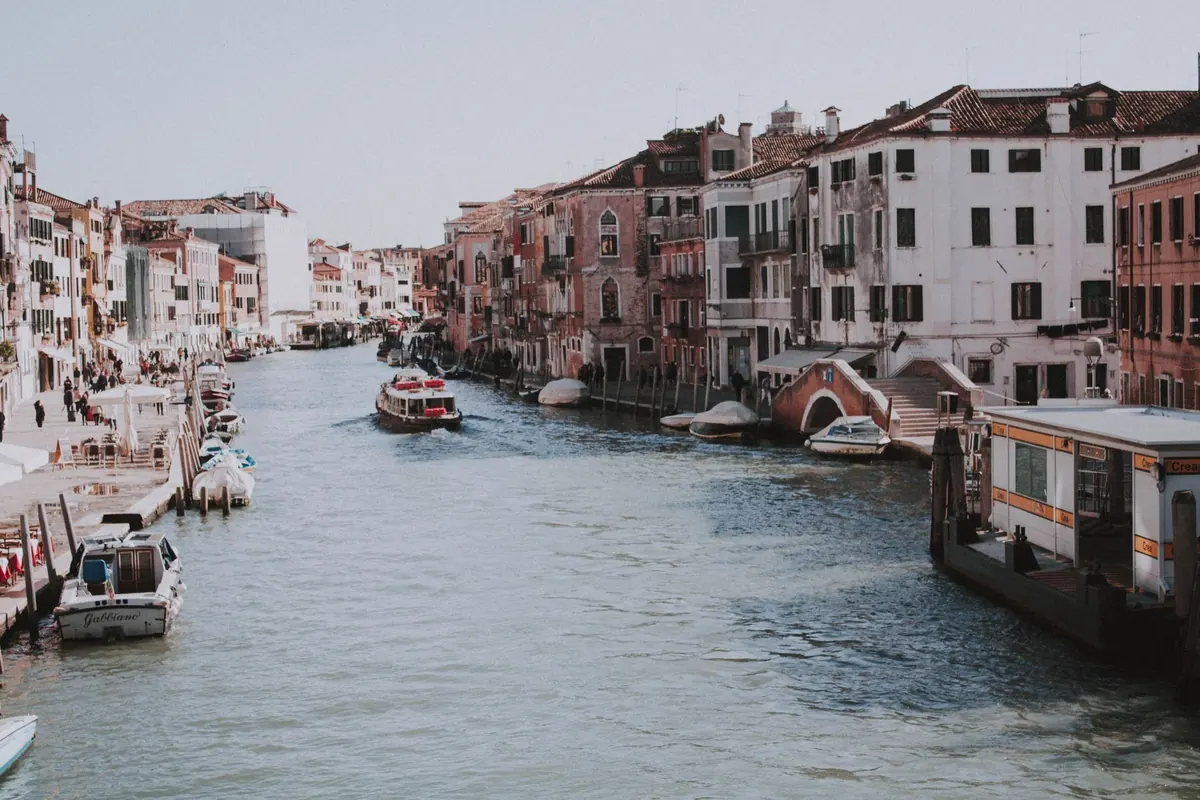
The vaporetto at eight in the evening is half empty. Fog sits on the canal, the shop shutters are down, and behind a heavy door in San Marco or Cannaregio a theatre is quietly filling up. Winter is when Venice's stages stop being an attraction and start being a habit: opera at La Fenice, prose at the Goldoni, contemporary dance in converted spaces, chamber music in rooms the size of a large living room.
From November until roughly March, with Carnival cutting a bright, crowded stripe through the middle, the city's theatre season is at its densest. Tickets are gettable. Seats are better. And the audience around you is, more often than not, Venetian — which changes the atmosphere in ways that are hard to describe and easy to feel. What follows is a working guide to the season: where to go, what the programmes actually mean, and how to behave once the lights go down.
Venice has a year-round cultural calendar, but it thins out for visitors in the cold months and thickens for residents. Subscription seasons, which carry most Italian theatres through the year, are built around local audiences: the same faces in the same rows, a bar crowd that knows the ushers by name. If you book a Tuesday in February you may find yourself in a house of three hundred people watching something ambitious, at a fraction of the pressure of a summer night.
Two calendar notes matter when you plan. First, Carnival — which falls in late January or February depending on the date of Easter — brings a surge of visitors and special programming, so book accommodation and tickets early if you want to be there for it. Second, many houses rest on Mondays, and some run no performance on Sunday evenings. Check the day before you build a trip around a single title.
Teatro La Fenice is the anchor. Winter is the heart of its opera season, and the house mixes the standard repertoire with productions that travel afterwards. If you are choosing between a familiar title and something you have never heard of, the familiar one will sell out first; the rarer evening is often the more interesting night, and easier to get into.
Pay attention to what you are actually buying. Italian programmes distinguish clearly between a staged opera, a concert performance, and a recital, and the difference is significant if you are expecting sets and costumes. The same applies to the Sale Apollinee, the ridotto upstairs: small recitals and chamber evenings there are among the most pleasant hours you can spend in Venice in January, and they are rarely expensive.
The Teatro Malibran, a short walk from the Rialto and managed by the same foundation, is the smaller, warmer sibling. Its scale suits baroque repertoire, song recitals and anything where you would rather be close to the performers than impressed by the architecture. For a first opera, or for a night when you want to be back at your hotel by eleven, it is often the better choice.
Teatro Goldoni carries Venice's prose season: touring Italian productions, contemporary writing, and — the reason many visitors come back — comedies in Venetian dialect, often drawn from Goldoni's own repertoire. Do not be put off by the language. Dialect comedy is broad, physical and rhythmically generous, and a good company will carry a non-Italian speaker through two hours without difficulty.
This is also where you will find the cheapest seats in the city and the most relaxed dress code. Sunday matinees are a particular pleasure: a mixed crowd of families, older couples and students, and a decent interval bar.
The real discoveries tend to happen away from the postcards. Venice has a scattering of small venues programming dance, new writing, music and cross-disciplinary work, mostly for audiences of under two hundred. A few worth knowing:
Two caveats. Small venues sometimes mean unreserved seating, so arrive early rather than on time. And historic halls can be draughty — a layer you can take off is more useful than a heavy coat you have to check.
A little vocabulary turns a frustrating website into a useful one. Stagione lirica is the opera season; prosa is spoken theatre; danza is dance. Replica means a performance, not a repeat in the sense of a second-rate night. Sipario ore 20 means curtain at 20:00, and in Italy that is a promise rather than a suggestion.
Look for prevendita (advance sale), posto unico (a single price for all seats), and ridotto (reduced). Ask directly about reductions for students and under-30s; many houses offer them but do not advertise them in English. Buy from the theatre's own box office or official site where you can, and treat third-party resale sites with suspicion.
One useful habit: check whether surtitles are offered before you book an opera. Some houses provide them, others do not, and knowing in advance changes which seat and which title make sense for you.
Venice is less formal than Milan or Vienna, but the theatre is still a ritual. Smart casual will see you through almost anything; a première or an opening night invites a jacket. Arrive early enough to check your coat and find your seat — latecomers are usually held at the back until a suitable pause, and in a shorter work that can mean missing half of it.
Phones away, photographs never, and no whispering through the quiet passages. In opera, applause after a well-sung aria is normal and expected; you will not embarrass anyone by joining in, and you will not embarrass anyone by staying silent. If you must leave before the end, wait for a scene change and take the side aisle.
Dinner needs a little planning. Venetian kitchens do not run late, so either eat before the performance — a plate of cicchetti at six works well — or book somewhere that serves after the curtain. And check your route home: night vaporetti are thinner than daytime services, and some lines stop earlier than visitors expect.
None of this requires expertise. It requires a little curiosity and the willingness to sit in a cold city in January and listen. The reward is a Venice that most visitors never meet: quieter streets, warmer rooms, and a stage full of people playing to their neighbours.
Photo: Evija Ciematniece / Pexels
Previous Post
Who Does What Backstage? A Beginner's Map of Stage Management, Lighting, and Sound Roles
Next Post
Common Mistakes When Choosing Seats for Musical Theatre (and How to Avoid Them)