What Is Site-Specific Theatre? A Beginner's Guide to Performances Outside the Black Box
The ticket gives you an address, not a seat number. It might be a disused swimming pool, a working bakery, a fourth-floor flat, a courtroom, or a stretch of beach at low tide. You arrive, you loiter by a door that doesn't look like a theatre entrance, someone checks your name on a clipboard, and the show begins somewhere a show was never supposed to happen. That is the basic proposition of site-specific theatre, and it changes almost everything about the way a performance reaches an audience.
Site-specific theatre is performance made for, and usually inside, a particular place. The location is not a backdrop that could be swapped for another. It is part of the material, in the way that a actor's voice or a playwright's text is part of the material. Move the production to a different building and you would not have the same show in a new venue; you would have a different show.
The phrase came into theatre from the visual arts, where from the 1960s onward artists made work for a specific room, wall or landscape rather than for a neutral gallery. Theatre borrowed the idea and pushed it further, because performance adds bodies, time and risk to the equation. Put live actors in a real room with a real audience and the room starts directing.
The black box is flexible and opinionated about nothing. Four walls, a grid, some seating, and the audience agrees to imagine whatever the production asks them to imagine. Site-specific work does the opposite: it leans on what is already there, including the parts that are inconvenient. A low ceiling, a smell of chlorine, a window that lets in traffic noise at eight o'clock, a corridor too narrow for two people to pass. Good directors stop fighting these things and start using them.
The labels get muddy, so it helps to know the neighbours. A promenade show moves the audience from place to place. An immersive show puts you inside the world, often free to roam. A site-responsive production adapts a script to a space but could, in theory, travel. These categories overlap constantly, and marketing copy tends to use all of them for the same event, so treat the words as a rough guide rather than a contract.
Take a scene in which a family argues about money. On a stage with a sofa and a lamp, the audience watches a family argue. In a real living room, with thirty people standing in the doorway and along the wall, the audience is a guest at the argument. Same scene, same lines, entirely different job for the people watching.
Buildings also carry history, and audiences read it whether the director intends them to or not. A hospital corridor, a church, a factory floor, a courtroom: each comes with its own script about authority, care, labour and judgement. Stage a trial in a room that still has a public gallery and the seating plan is already making an argument about who gets to watch whom.
Acoustics matter more than most newcomers expect. Stone, glass and corrugated metal all behave differently, and actors adjust their delivery accordingly, sometimes line by line. So do you: in a small bedroom you will hear the actor breathe, and in a cavernous warehouse you may catch only half the words and understand everything anyway.
Occasionally the place is the subject. Work made with residents, in their own streets and community halls, does something that a play about that neighbourhood, performed elsewhere, simply cannot do. It is worth paying attention to who was invited in and who is being described.
Most productions mix two or three of these, and the mix can shift mid-show. A seated first half can turn into a walking second half without warning.
Distances vary from a few steps to a couple of kilometres across a city. Wear flat shoes you trust, bring a layer you can carry, and keep your bag small enough to hold against your body rather than swing into a stranger's back.
Listen to the briefing at the start. It is not admin; it is the frame of the show. Where the exits are, which doors are closed to you, whether photography is allowed, what to do if you need to leave. Companies that skip this step are usually the ones with confused audiences.
Actors might make eye contact, address you directly, or hand you an object. Participation is usually optional. A small step back or a shake of the head is normally respected, and a good company will have briefed its performers to read the room.
Expect cold, cramped corners, hard floors and long periods on your feet. Check the access information before booking, and if you have mobility needs, email the company directly rather than guessing from the marketing. Many shows can be adapted; some genuinely cannot, and it is better to know in advance.
Plot summaries rarely capture what happened, because half of what happened was architectural. These questions tend to get you closer:
The best site-specific work does not feel like a gimmick. It feels like the only place the show could have happened, and you leave with a memory of a building as well as a story. You will walk past that address again, months later, and look up at the window without meaning to.
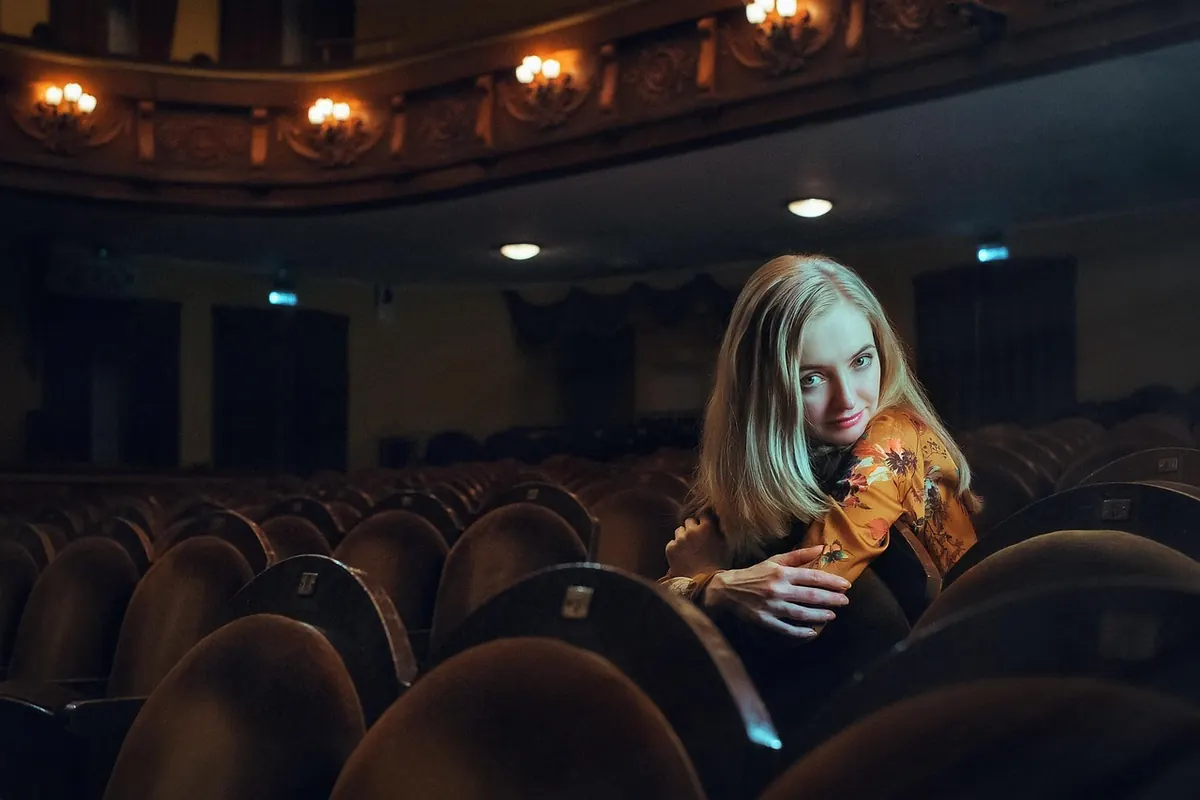
Photo: luxstorm / Pixabay
Previous Post
How to Read a Theatre Review Without Spoilers: A Scene-by-Scene Guide
Next Post
Opening Night Backstage Checklist: 15 Things to Confirm Before Curtain Up